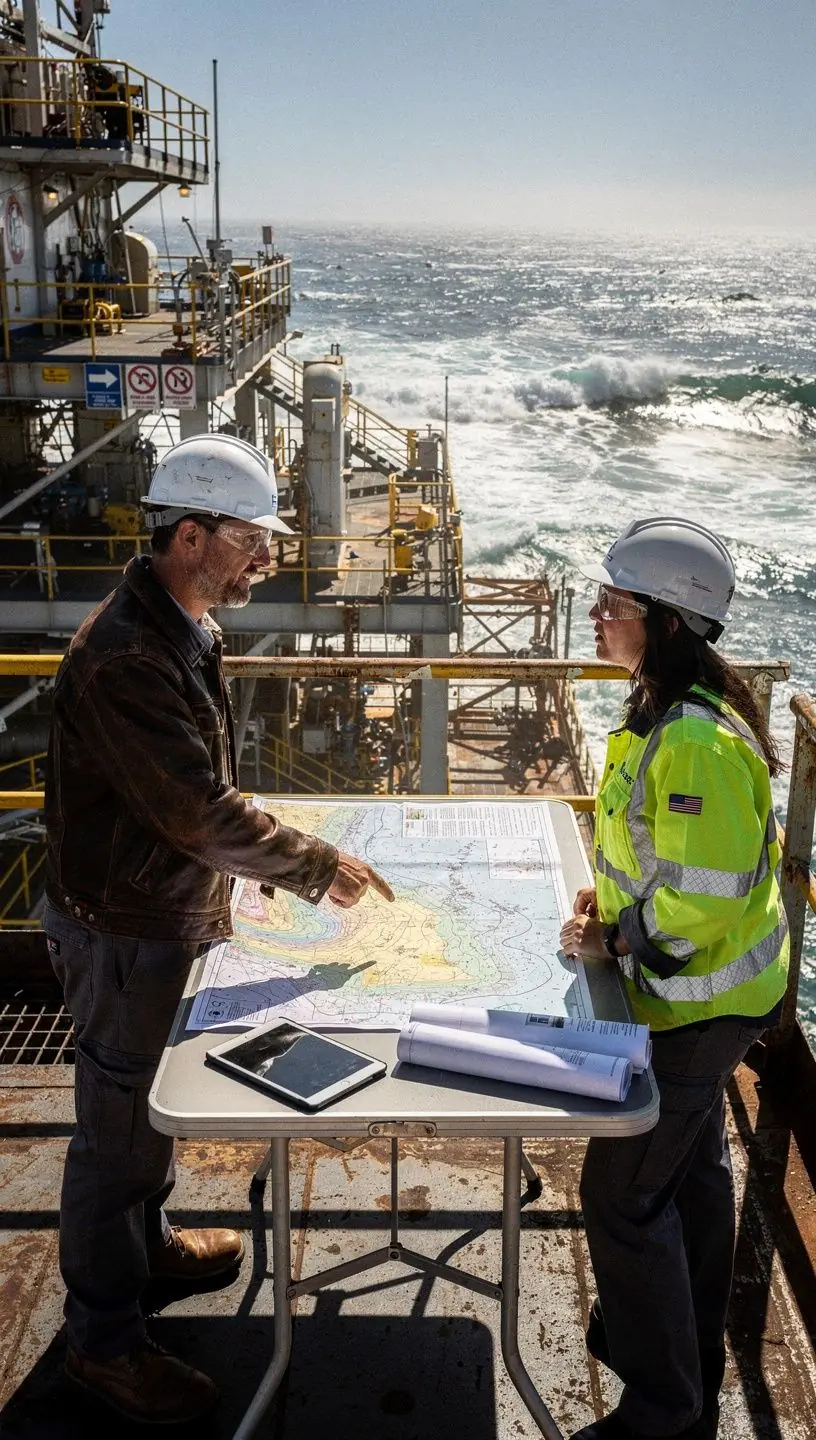
Key Skills for Success in Downstream Petroleum Roles
As the petroleum industry evolves, especially in California's dynamic market, early-career engineers and geoscientists must equip themselves with specific skills to thrive in downstream roles. This article delves into the essential competencies required to excel in this sector and provides insights into how to cultivate them.
Understanding the Downstream Sector
The downstream sector encompasses the refining of crude oil, the distribution of petroleum products, and the marketing of these products to consumers. According to industry experts, professionals in this area typically engage in refining processes, quality control, and supply chain management. Understanding these core functions is vital for anyone looking to advance their career in the downstream petroleum field.

"A solid grasp of both technical processes and market dynamics is crucial for success in downstream roles." - Industry Expert
Essential Skills for Downstream Success
Based on research and industry standards, here are key skills that can significantly enhance your effectiveness in downstream petroleum roles:
- Analytical Skills: The ability to analyze complex data is fundamental. Studies show that professionals who can interpret market trends and operational data tend to make informed decisions that positively impact efficiency and profitability.
- Technical Proficiency: Familiarity with processing technologies and quality control measures is crucial. Many users report that knowledge of software tools like Aspen Plus or HYSYS can be beneficial, requiring dedicated time to learn and practice.
- Communication Skills: Effective communication is vital in coordinating with various teams and stakeholders. Research indicates that individuals who can articulate complex ideas clearly are often more successful in collaborative environments.
- Project Management: Understanding project management principles can help streamline operations. The Project Management Institute notes that professionals with project management skills can improve efficiency by 20–30% in similar contexts.
How to Develop These Skills
To cultivate these competencies, consider the following approaches:
- Continuous Learning: Engage in workshops and online courses focused on downstream processes and technologies. Many resources are available, though it typically takes a few months to gain a significant understanding.
- Networking: Join professional organizations or attend industry conferences. Building a network can provide mentorship opportunities and insights into current trends and best practices.
- Hands-On Experience: Seek internships or entry-level positions that offer practical exposure. These roles may require a commitment of 6-12 months but can significantly enhance your understanding of real-world applications.
Conclusion
Building a successful career in the downstream petroleum sector requires a blend of analytical, technical, and interpersonal skills. By focusing on continuous learning and seeking hands-on experience, early-career professionals can position themselves for success in this competitive field. Remember, developing these skills typically involves dedication and time, but the investment can lead to fruitful opportunities within the industry.