Adapting to Technological Advances in Petroleum Exploration
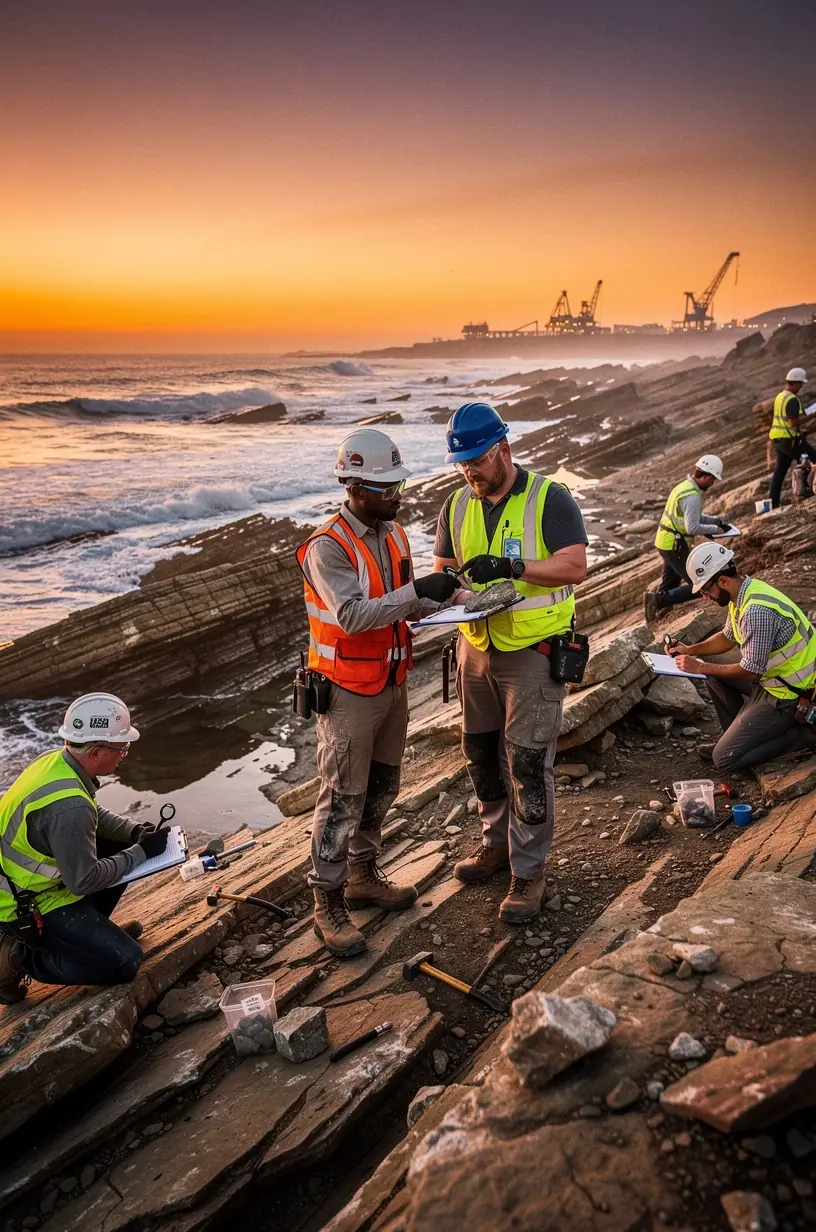
As the petroleum industry continues to evolve, early-career engineers and geoscientists must adapt to the rapid technological advancements reshaping exploration methods. Understanding these changes is essential not only for career growth but also for contributing to a more sustainable future.
Understanding the Impact of Technology
Technological advancements in petroleum exploration, such as 3D seismic imaging and data analytics, are redefining how geoscientists and engineers approach the exploration process. Research indicates that these technologies can significantly enhance the accuracy of resource identification, often increasing discovery rates by up to 25-40% in comparable contexts.
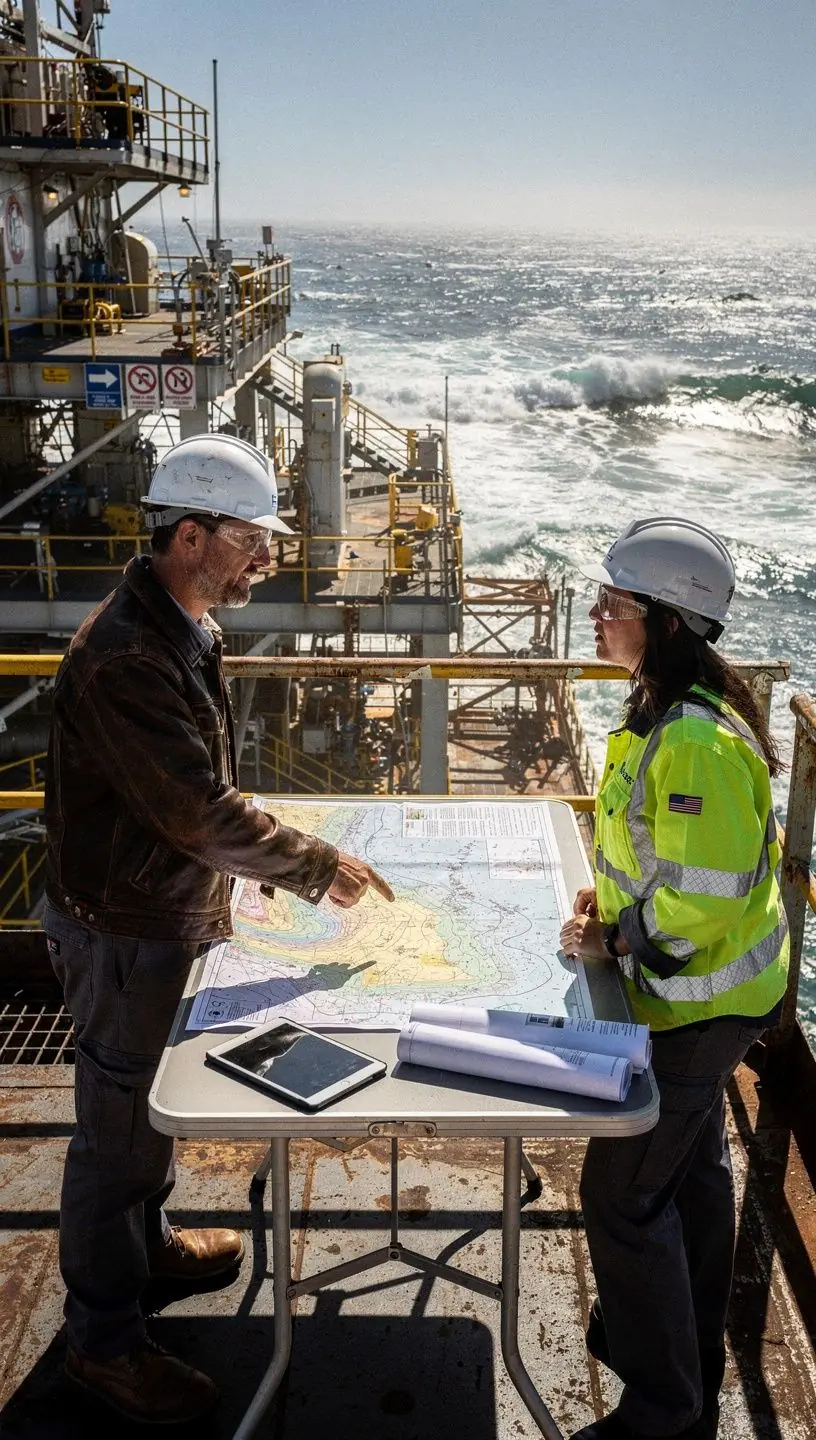
"Embracing new technologies is not just an option; it's a necessity for maintaining competitive advantage in the field." - Industry Expert
Key Technologies Shaping the Future
Several key technologies are currently making significant impacts on petroleum exploration:
- 3D Seismic Imaging: This technology offers a more detailed view of the subsurface, allowing for better planning and resource management. Experts recommend investing time in learning this methodology as it often leads to more informed decision-making.
- Machine Learning and AI: Many companies are leveraging machine learning algorithms to analyze data patterns, which can predict where oil and gas deposits are likely to be found. This typically requires a solid understanding of both data science and geology.
- Drone Technology: Utilized for aerial surveys and environmental assessments, drones can provide data quickly and effectively. While the initial investment may seem high, studies show that organizations often see a return on investment within a year.
Practical Steps to Adapt
Adapting to these technological changes involves several practical steps:
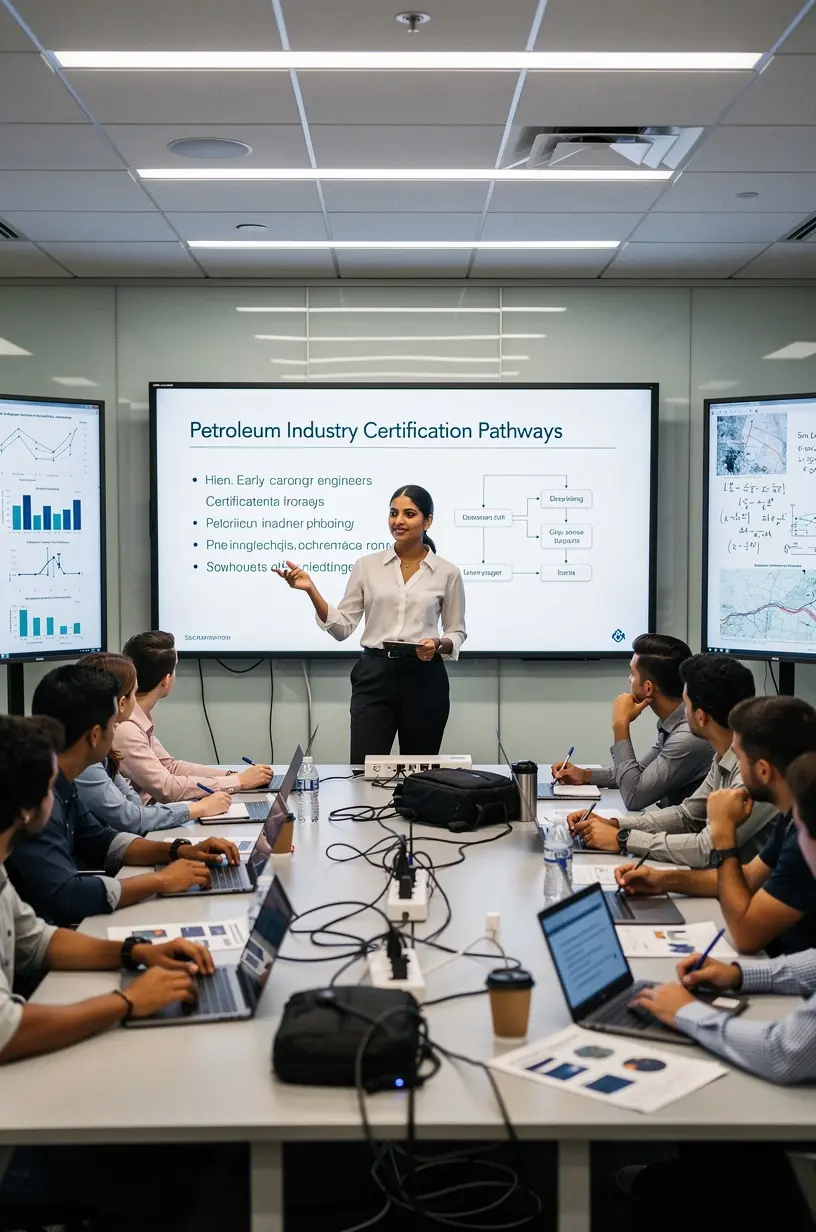
- Commit to Continuous Learning: Engaging in ongoing education through courses and certifications can equip you with the necessary skills to utilize new technologies effectively. Many users report a steep learning curve, so a dedication to regular study is often required.
- Network with Industry Professionals: Building relationships with experienced professionals can provide insights into best practices and emerging technologies. Many successful engineers emphasize the importance of mentorship in navigating these advancements.
- Participate in Industry Conferences: Attending conferences can expose you to cutting-edge technologies and offer opportunities for hands-on experience. This typically involves dedicating time to travel and participate actively.
Conclusion
Adapting to technological advances in petroleum exploration is both a challenge and an opportunity for early-career engineers and geoscientists. By focusing on continuous learning, networking, and engaging with new technologies, you can position yourself for success in a rapidly changing industry. Remember, these advancements may require time and effort to master, but the potential benefits often make the investment worthwhile.